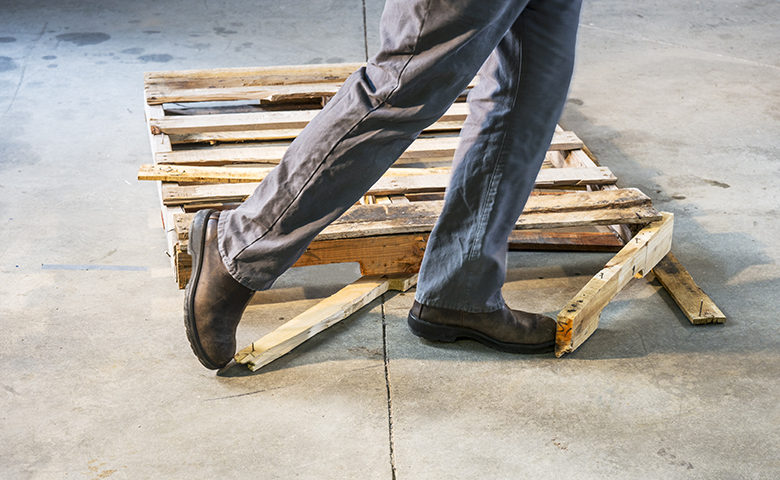
Safety in the workplace to prevent tripping hazards is essential to protect employees from injuries and maintain a safe work environment. Tripping hazards can be found in various workplaces, from offices to construction sites. Here are some guidelines for preventing tripping hazards:
Regularly inspect the workplace to identify potential tripping hazards, such as loose cords, clutter, uneven surfaces, or poorly maintained walkways.
Housekeeping:
Maintain a clean and organized workplace by promptly removing clutter, debris, and unused materials from walkways and work areas.
Implement a schedule for routine cleaning and tidying.
Cord Management:
Keep electrical cords and cables secured and out of walkways using cable management systems or cord covers.
Ensure that any temporary cords used for equipment or tools are taped down and marked to indicate their presence.
Flooring and Surfaces:
Repair damaged flooring, sidewalks, and walkways promptly to eliminate uneven surfaces that could cause trips.
Use slip-resistant mats and rugs in areas prone to spills or wet conditions.
Proper Storage:
Store tools, equipment, and materials in designated storage areas to prevent them from obstructing walkways or creating obstacles.
Aisles and Walkways:
Clearly mark and maintain aisles and walkways, and keep them free from obstructions.
Use signage and floor markings to indicate designated pedestrian pathways.
Lighting:
Ensure that work areas are well-lit, including hallways, stairwells, and outdoor walkways.
Replace burned-out bulbs promptly.
Footwear:
Encourage employees to wear appropriate footwear with non-slip soles that provide good traction.
Consider footwear policies that align with workplace safety standards.
Education and Training:
Train employees to recognize tripping hazards and report them promptly.
Conduct regular safety meetings or training sessions to reinforce awareness of tripping hazards.
Emergency Response:
Develop and communicate clear emergency response procedures for incidents related to tripping hazards, including slips, trips, and falls.
Ensure employees know how to seek medical assistance if injured.
Access Control:
Limit access to areas with potential tripping hazards when possible.
Use barriers or warning signs to restrict access when necessary.
Handrails and Guardrails:
Install handrails and guardrails on stairs, ramps, and elevated platforms to provide support and prevent falls.
Documentation:
Maintain records of safety inspections, hazard reports, and corrective actions taken to address tripping hazards.
Regulatory Compliance:
Stay informed about and comply with relevant safety regulations and standards related to tripping hazards in your industry.
Safety Culture:
Foster a safety culture where employees understand the importance of identifying and addressing tripping hazards and actively participate in safety initiatives.
Supervision and Reporting:
Supervisors should monitor the workplace for tripping hazards and take corrective action when necessary.
Encourage employees to report tripping hazards and near misses promptly.
By consistently implementing these guidelines and promoting a strong safety culture, you can significantly reduce the risk of tripping hazards in the workplace and enhance the safety of your employees.