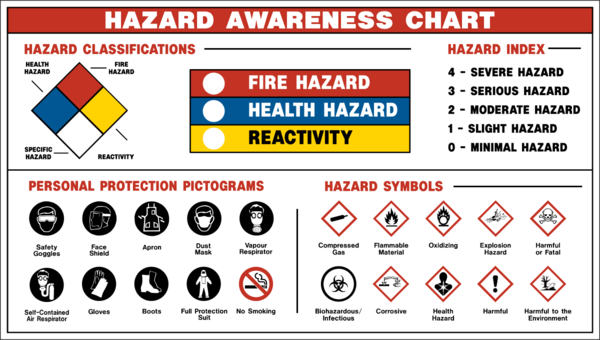
Hazard Identification:
- Train employees to recognize and report hazards. Encourage them to be proactive in identifying and addressing potential risks.
- Conduct regular workplace hazard assessments and inspections.
Safety Committees:
- Establish safety committees or teams that include employees from various departments. These teams can help identify and address hazards more effectively.
Hazard Reporting System:
- Implement a hazard reporting system that allows employees to easily report unsafe conditions, near misses, or potential hazards.
- Ensure that reported hazards are investigated promptly and corrective actions are taken.
Documentation:
- Maintain records of hazard assessments, inspections, corrective actions, and hazard reports.
- Document near misses and incidents to identify trends and recurring issues.
Job Safety Analysis (JSA):
- Use job safety analysis or job hazard analysis to systematically evaluate the risks associated with specific tasks or jobs.
- Develop safe work procedures based on the findings of these analyses.
Employee Training:
- Provide training to employees on hazard recognition and safe work practices.
- Offer refresher courses and updates to ensure that employees stay informed about potential hazards.
Emergency Response Plans:
- Develop and communicate clear emergency response plans for various types of hazards, such as fires, chemical spills, or equipment failures.
- Conduct drills and simulations to ensure employees know how to respond effectively.
Safety Signs and Labels:
- Use safety signs, labels, and color-coded systems to clearly indicate potential hazards and safe areas.
- Ensure that all employees understand and follow these visual cues.
Material Safety Data Sheets (MSDS):
- Maintain accessible MSDS or safety data sheets for hazardous materials used in the workplace.
- Train employees on how to access and use this information.
Machine Guards and Safety Devices:
- Ensure that machinery and equipment have appropriate guards and safety devices to prevent access to dangerous parts.
- Regularly inspect and maintain these safeguards.
Proper Equipment and Tools:
- Provide employees with appropriate and well-maintained personal protective equipment (PPE) and tools for their tasks.
- Ensure that employees use PPE correctly.
Proactive Maintenance:
- Implement a preventive maintenance program to address equipment and facility issues before they become safety hazards.
- Conduct regular safety checks on equipment and machinery.
Housekeeping:
- Maintain a clean and organized workplace to reduce clutter, tripping hazards, and the risk of fires.
- Enforce cleanliness and orderliness in work areas.
Supervision and Leadership:
- Encourage supervisors and managers to lead by example when it comes to safety.
- Reward and recognize employees for their proactive safety efforts.
Continuous Improvement:
- Regularly review and update safety procedures, hazard assessments, and safety policies based on changing conditions or new information.
- Encourage employee feedback for safety improvement suggestions.
Regulatory Compliance:
- Stay informed about and comply with relevant safety regulations and standards governing hazard recognition and mitigation in your industry.
Safety Culture:
- Foster a safety culture in the workplace where safety is a core value and employees actively participate in safety initiatives.
By following these guidelines and promoting a strong safety culture, you can create a safer workplace by identifying and addressing potential hazards effectively, reducing risks, and protecting the well-being of your employees.