Risk Assessment: Conduct a thorough risk assessment to identify potential gas hazards in your workplace. This should include assessing the types of gases used, storage, and the equipment involved.
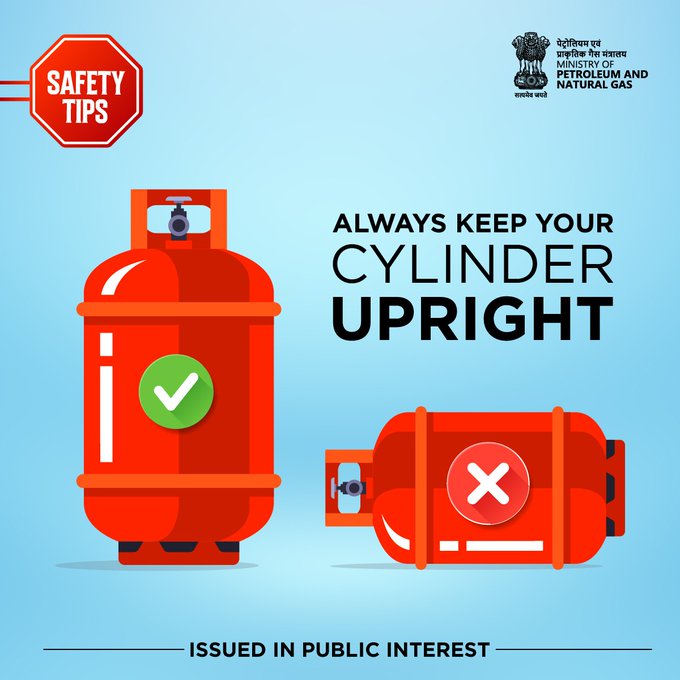
Gas Cylinder Storage: Store gas cylinders in a well-ventilated, secure area, following manufacturer guidelines. Ensure they are upright and properly labeled. Flammable and non-flammable gases should be stored separately.
Gas Identification: Clearly label gas containers with the gas name, hazard information, and any specific handling instructions. Use color-coding systems for easy identification.
Proper Handling: Train employees in the proper handling, use, and storage of gas cylinders. This includes using appropriate tools and equipment, ensuring cylinders are properly secured, and avoiding dropping or damaging them.
Gas Leak Detection: Install gas detection systems in areas where gas leaks are possible. Regularly test and calibrate these detectors.
Ventilation: Ensure proper ventilation in areas where gases are used or stored. Adequate ventilation helps disperse potential leaks and prevents the buildup of flammable or toxic gases.
Personal Protective Equipment (PPE): Provide appropriate PPE such as gloves, safety glasses, and respiratory protection, depending on the type of gas and the associated hazards.
Emergency Shutdown Procedures: Establish clear procedures for shutting down gas equipment and isolating gas supplies in case of leaks or emergencies. Make sure employees are trained in these procedures.
Gas Pressure Regulation: Maintain and regularly inspect pressure regulators and relief valves to prevent over-pressurization incidents.
Gas Cylinder Transportation: Follow safe procedures for transporting gas cylinders, using proper carts or equipment designed for this purpose. Ensure cylinders are secured during transport.
Gas Testing and Inspection: Periodically inspect and test gas lines, connectors, and equipment for leaks. Leaks should be repaired promptly.
No Smoking and Open Flames: Prohibit smoking and the use of open flames in areas where gases are stored or used.
Emergency Response: Develop a clear emergency response plan for gas leaks, fires, or other gas-related incidents. Ensure all employees know how to respond, evacuate, and use emergency equipment.
Fire Safety: Implement fire safety measures, including fire extinguishers, fire blankets, and fire suppression systems where appropriate.
Hazard Communication: Ensure employees are educated on the hazards associated with the gases they work with. Maintain Safety Data Sheets (SDS) for all hazardous gases used in the workplace.
Gas Shut-Off Valves: Clearly mark and make easily accessible shut-off valves for each gas line. Employees should know the location of these valves.
Training: Provide regular training and retraining to employees regarding gas safety procedures, including recognizing the signs of gas leaks and what actions to take.
Regulatory Compliance: Stay informed about and comply with relevant safety regulations and standards governing the use and handling of gases in the workplace.
Gas Cylinder Disposal: Follow proper procedures for the disposal of empty or unusable gas cylinders. Do not discard them with regular waste.
Documentation: Maintain records of gas inspections, training, and emergency drills for reference and auditing purposes.
By implementing these safety measures and promoting a strong safety culture, you can significantly reduce the risk of gas-related incidents and ensure the safety of your employees and workplace.