THINK QUALITY​ PHOTO'S

MANUFACTURING PROCESS

"Think Quality, Manufacturing Process" is a phrase that highlights the critical importance of quality throughout the entire manufacturing process. High-quality manufacturing processes are essential for producing products that meet or exceed customer expectations, comply with regulatory standards, and contribute to a company's reputation for excellence. Here are key considerations related to this concept:

Check out our work

Take a peek inside our Wonderworld

MANUFACTURING PROCESS

Different types of MANUFACTURING PROCESS
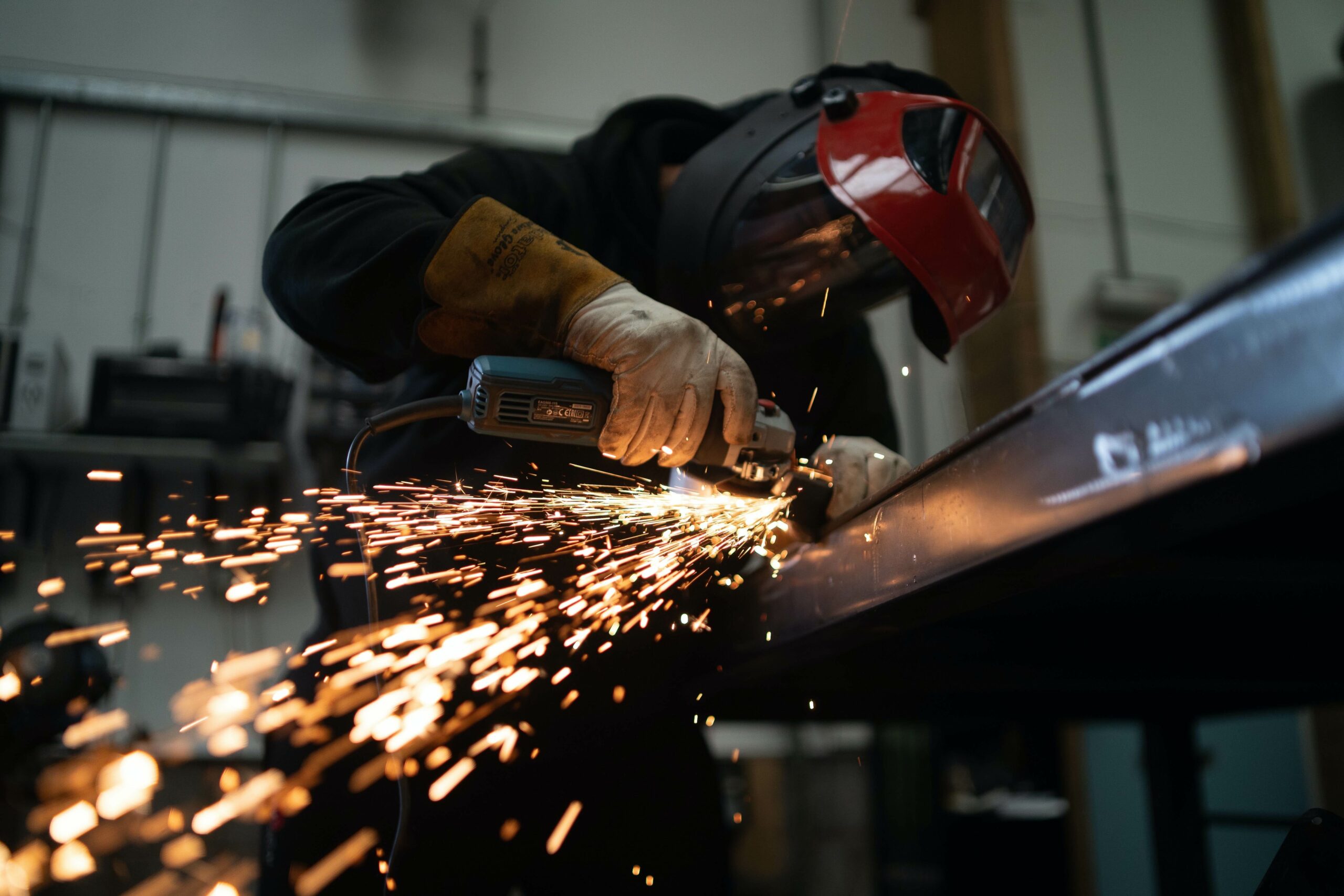
MANUFACTURING PROCESS

Different types of MANUFACTURING PROCESS

  1. Quality Management System (QMS):

    • Implement a robust quality management system that encompasses all aspects of the manufacturing process.
    • Define quality standards, procedures, and responsibilities within the QMS.
  2. Design for Quality:

    • Consider quality during the product design phase to ensure that the final product can be manufactured efficiently and consistently to meet quality standards.
    • Involve cross-functional teams that include design, engineering, and manufacturing experts.
  3. Process Standardization:

    • Standardize manufacturing processes to reduce variability and ensure consistency.
    • Use documented work instructions and standard operating procedures (SOPs) to guide employees.
  4. Supplier Quality:

    • Collaborate closely with suppliers to ensure they provide high-quality materials and components.
    • Establish clear quality standards for supplier products and conduct supplier audits as needed.
  5. Process Validation:

    • Validate critical manufacturing processes to ensure they consistently produce products meeting quality specifications.
    • Employ statistical process control (SPC) and process capability analysis to monitor and control variability.
  6. Employee Training:

    • Provide comprehensive training to manufacturing personnel on quality standards, safety protocols, and the importance of their role in maintaining quality.
    • Encourage a culture of continuous learning and improvement.
  7. Quality Control and Inspection:

    • Implement quality control checkpoints and inspections at various stages of the manufacturing process.
    • Use advanced inspection tools and technologies to detect defects and deviations from quality standards.
  8. Root Cause Analysis:

    • Develop a systematic approach to root cause analysis for identifying and addressing the underlying causes of quality issues.
    • Implement corrective and preventive actions (CAPA) based on root cause analysis findings.
  9. Data-Driven Decision-Making:

    • Collect and analyze data related to manufacturing processes and product quality.
    • Use data analytics and real-time monitoring to make informed decisions and improvements.
  10. Lean and Six Sigma:

    • Incorporate lean manufacturing and Six Sigma methodologies to eliminate waste, reduce defects, and optimize processes.
    • Engage employees in continuous improvement projects.
  11. Risk Management:

    • Identify and assess potential risks to product quality, and implement risk mitigation strategies.
    • Utilize failure modes and effects analysis (FMEA) to proactively address risks.
  12. Regulatory Compliance:

    • Ensure that manufacturing processes adhere to industry-specific regulations and standards.
    • Maintain accurate records and documentation to demonstrate compliance.
  13. Customer Feedback:

    • Solicit and analyze customer feedback to identify areas for improvement and align manufacturing processes with customer expectations.
  14. Sustainability and Environmental Considerations:

    • Integrate sustainability practices into the manufacturing process, such as reducing waste, conserving energy, and minimizing environmental impact.
  15. Continuous Improvement:

    • Foster a culture of continuous improvement in which employees at all levels actively seek ways to enhance quality and efficiency.
    • Celebrate successes and recognize contributions to quality.

“Think Quality, Manufacturing Process” underscores the principle that quality is not an afterthought but an integral part of the manufacturing process from start to finish. Prioritizing quality at every stage contributes to the production of reliable, safe, and high-quality products, enhances customer satisfaction, and strengthens a company’s competitiveness in the market.

.